Home Fitness Tips
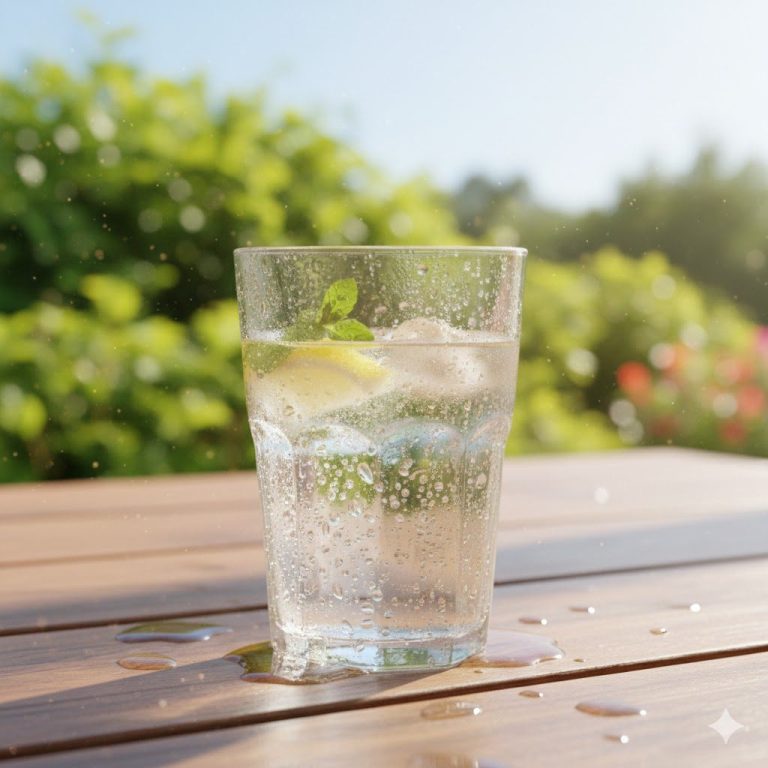
How to workout in extreme heat
Staying hydrated during exercise, especially in the heat, is crucial for maintaining optimal performance and ensuring your safety. Personalized training programs should always incorporate hydration strategies tailored to your specific needs and circumstances. Begin by assessing your sweat rate and understanding how much fluid you lose during workouts in hot conditions. Aim to drink water or electrolyte-replenishing beverages before, during, and after your sessions. Remember that individual hydration needs vary based on factors like body weight, exercise intensity, and climate conditions. By prioritizing hydration and adjusting your fluid intake accordingly, you can enhance your training effectiveness while preventing dehydration and heat-related issues.
Here is an article by Fit Rated Fitness Reviews. I'm quoting different hydration supplements that can help you beat the heat!

How to Keep Fitness Routines from Failing
Toprevent a fitness routine from failing, it's essential to debunk the "all or nothing" myth that often discourages people from sticking with their plans. Remember that consistency is key, and even small workouts can be beneficial. Choose an activity that you genuinely enjoy, whether it’s dancing, climbing, or playing a sport, as this will make it easier to stay committed. Additionally, focus on creating a habit by setting realistic goals and integrating your workouts into your daily schedule. By personalizing your training approach and making fitness fun and manageable, you can establish a routine that lasts.
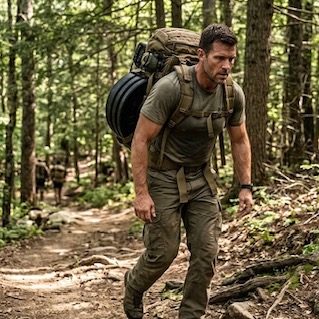
Burn More Calories on Your Walks
While we've been told to get 10,000 steps a day, we haven't been told of the different ways of walking for exercise. Intensity, resistance, and incline can all turn that "basic" walk into a fat burning exercise.
1) Interval Walking - This is when you walk at a rapid pace then slow back down to baseline pace. By raising your heart rate during the fast zones you burn more ATP (cellular energy) than maintaining a slow and steady pace.
2) Rucking - This is walking with an extra load. It can be an effective way to spike your burn without running. The heavier you are, the greater the energy produced.
3) Hill Walking - Walking with a 6% incline can nearly double your calorie burn. You'll recrute more hamstring, glutes, and calves. More muscles activated means more fuel consumed.
So, if you enjoy walking but want to bump it up to be a high-yield metabolic tool, incorporate these 3- walking styles to your workout routine!
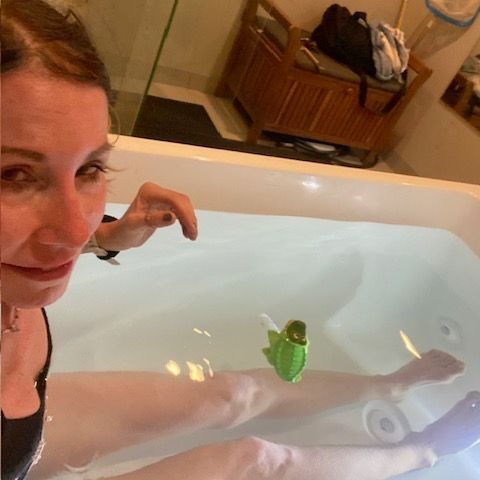
Can Cold Plunging Improve your Workouts?
Immersing yourself in uncomfortablly cold temperatures can have some tremendous benefits for those of us who workout
1) Flush metabolic waste: Blood is pushed away from the extremities and toward the core.
2) Reduce Edema: Limits swelling and secondary tissue damage after intense physical exertion. This causes quicker recovery.
3) Reperfusion: Blood vessels dilate, rushing fresh, oxygenated blood back into the muscles to accelerate repair as soon as you exit the water.
I, personally, love cold plunging after my hard workouts. I'm able to feel refreshed and ready to take on the next workout. If you are interested in adding this to your routine, I'd suggest using the Soeberg Method which says to plunge 11 mintues/week 2-3 days/week.
More in depth info: https://soeberginstitute.com/blogs/journal/cold-water-for-pain-relief
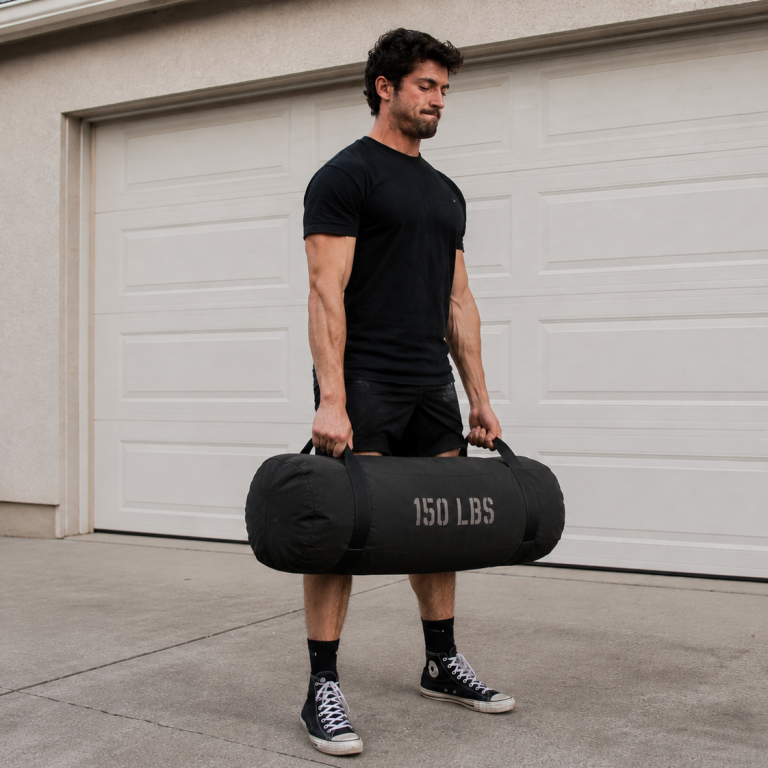
Squats versus Deadlift - There's a Difference
I see so many gym goers struggle to perform a deadlift. Instead they do a squat. They are NOT the same. The simplest way to tell them apart is to look at which joint bends the most: squats are knee-dominant, while deadlifts are hip-dominant.
- The Squat (A Push): This is a maximal knee bend and maximal hip bend movement. Your torso stays relatively upright as you drop your hips straight down, as if sitting into a low chair. You are pushing the floor away to stand up.
- The Deadlift (A Pull): This is a maximal hip hinge and minimal knee bend movement. Instead of sitting down, you drive your hips straight back—like you are trying to close a car door with your glutes while holding groceries. Your torso hinges forward, and you pull the weight off the floor.
There is also a difference in muscle recruitment.
- The Squat - Quads, Glutes, Back of Body, Inner thigh, Calves
- The Deadlift - Hamstrings, Glutes, Erector Spinae, Forearms (grip strength), and Core.